
Students today often have to balance classes, assignments, examinations, competitive preparation, social activities, and expectations about their future.
With so many demands competing for attention, developing healthy habits around focus, relaxation, and emotional well-being can be valuable.
Meditation for students is one practice that can be incorporated into a daily routine without requiring complicated equipment or a large amount of time.
The purpose is not to replace studying. Instead, meditation can become a complementary practice that helps students create a more balanced approach to learning and everyday life.
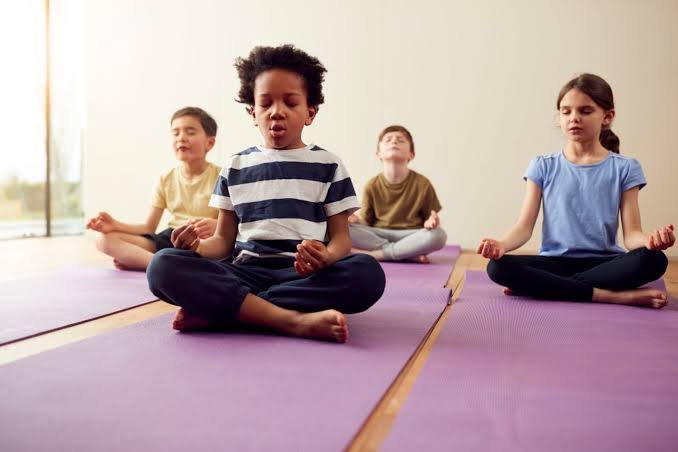
What Is Meditation for Students?
Meditation for students refers to simple meditation and mindfulness practices adapted to a student’s lifestyle.
A session could involve:
- Breathing awareness
- Guided meditation
- Mindfulness exercises
- Quiet observation
- Body awareness
- Short relaxation practices
Students can practice for a few minutes before studying, during a break, or at another convenient time.
Why Do Students Need Mindfulness?
Studying for long periods does not automatically mean studying effectively.
Students may experience distractions from phones, social media, notifications, busy schedules, or racing thoughts.
Mindfulness encourages students to pay attention to the present activity instead of constantly switching between different thoughts and distractions.
Over time, this can help create a more intentional approach to studying and everyday activities.
Meditation and Concentration
One reason students explore meditation is to develop better concentration.
During a simple meditation session, the student may focus attention on breathing or another chosen object.
When the mind wanders, the student notices it and gently returns attention to the original focus.
This repeated process provides an opportunity to practice sustained attention.
The same principle can be applied during study sessions:
Choose one task → focus on it → notice distractions → return to the task.
Meditation Before Studying
A short mindfulness session before studying can become a useful transition between everyday activities and focused learning.
For example:
- Sit comfortably.
- Put your phone away.
- Take several slow, natural breaths.
- Observe your breathing.
- Notice distractions without following them.
- Bring your attention back to the present moment.
- Begin your study session.
The objective is not to force yourself into a particular mental state. It is simply to create a deliberate transition into study time.
Meditation During Exam Preparation
Exam preparation can involve long study schedules.
Instead of continuously studying without breaks, students can create short periods of mindful rest.
For example:
50 minutes study → 5–10 minutes break → short mindfulness practice → return to study.
The exact schedule can be adjusted according to the student’s needs.
Taking purposeful breaks can make a study schedule feel more manageable than trying to remain at the desk continuously.
Mindfulness and Digital Distractions
Smartphones are useful tools for education, but constant notifications can make focused work difficult.
Students can introduce simple mindfulness habits around technology.
Try:
- Turning off unnecessary notifications
- Keeping the phone away during focused study
- Avoiding social media during study blocks
- Taking technology-free breaks
- Spending a few minutes in quiet awareness
These small changes can support a more focused study environment.
A Simple 10-Minute Meditation for Students
Here is a simple beginner-friendly structure.
Minute 1–2: Get Comfortable
Sit in a comfortable position and allow your body to settle.
Minute 3–5: Observe Your Breathing
Pay attention to your natural breathing without trying to control it.
Minute 6–7: Notice Your Thoughts
Thoughts may appear about exams, assignments, friends, or other responsibilities.
Notice them without becoming involved in every thought.
Minute 8–9: Return to the Present
Bring your attention back to your breathing and your surroundings.
Minute 10: Prepare for the Next Activity
Slowly bring your attention back and decide what you will do next.
This short practice can be repeated daily.
Meditation Is Not About Emptying the Mind
Students sometimes stop meditation because they believe they are “bad at it” when their thoughts keep appearing.
Having thoughts does not mean the practice has failed.
The important part is noticing where your attention has gone and gently bringing it back.
With regular practice, students can become more familiar with the process of observing their thoughts without immediately reacting to every one.
Meditation, Student Wellness and Personal Development
Student wellness is broader than academic performance.
A healthy student lifestyle can also include:
- Adequate rest
- Physical activity
- Healthy food choices
- Social connection
- Recreation
- Mindfulness
- Time management
- Emotional awareness
Meditation can be one component of this broader approach to well-being.
Who Can Practice Meditation?
Meditation can be adapted for students at different educational levels.
It can be introduced in:
- Schools
- Colleges
- Universities
- Coaching institutes
- Competitive exam preparation environments
The duration, format, and activities can be adapted according to the age group and learning environment.
Shunyagar’s Student Wellness Program is designed around mindfulness, guided meditation, focus improvement, emotional resilience, and healthy learning habits for educational institutions.
How Schools and Colleges Can Encourage Mindfulness
Educational institutions can create simple opportunities for mindfulness.
For example:
- Short guided meditation sessions
- Quiet reflection periods
- Mindfulness workshops
- Student wellness programs
- Breathing awareness activities
- Stress-management education
These activities can complement the academic environment without replacing regular education.
Build a Healthy Study Routine
Meditation should not be treated as a shortcut to better marks.
Instead, students can use it as one part of a balanced routine that includes effective study techniques, adequate rest, physical activity, and healthy lifestyle habits.
A practical routine could look like:
Morning: Short mindfulness practice
Day: Focused study blocks
Breaks: Walk and reset
Evening: Review and organize tasks
Night: Relaxation and preparation for sleep
The exact routine should be personalized to the student’s schedule.
Final Thoughts
Meditation for students can be simple, accessible, and flexible.
Students do not need to begin with long sessions. Starting with a few minutes of mindfulness and gradually developing consistency can make the practice easier to maintain.
When combined with healthy study habits and a balanced lifestyle, mindfulness can become a valuable part of student wellness.
If your school, college, or coaching institute is interested in a structured wellness approach, explore the Shunyagar Student Wellness Program for customized mindfulness and wellness sessions.
Frequently Asked Questions
Is meditation good for students?
Meditation can be used as part of a student’s broader wellness routine, particularly for practicing mindfulness, relaxation, and focused attention.
How long should a student meditate?
Beginners can start with 5–10 minutes and gradually adjust the duration based on their comfort and schedule.
Should students meditate before studying?
A short mindfulness session before studying can provide a deliberate transition into focused study time.
Can meditation replace studying?
No. Meditation should complement effective study habits rather than replace academic preparation.
Can school students practice meditation?
Yes. Meditation and mindfulness activities can be adapted to different age groups and educational environments.
How can students reduce distractions while studying?
Students can combine focused study periods with practical habits such as turning off unnecessary notifications, keeping phones away, taking purposeful breaks, and practicing mindfulness.