
Meditation is often associated with long sessions, complete silence, and years of practice. In reality, building a daily meditation routine can be much simpler. The most important part is not meditating for hours—it is creating a practice that you can comfortably continue every day.
A consistent meditation practice can become a useful part of a balanced lifestyle by giving you dedicated time to slow down, observe your thoughts, focus on your breathing, and reconnect with yourself.
Whether you are a complete beginner or someone who has struggled to stay consistent, a simple routine can make meditation easier to maintain.
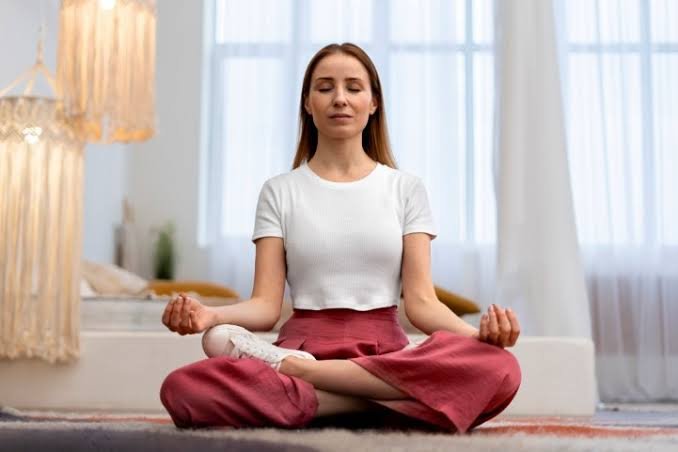
What Is a Daily Meditation Routine?
A daily meditation routine is a regular period of time set aside for meditation or mindfulness practice.
Your routine could be as short as 5–10 minutes in the beginning. The goal is to establish consistency before increasing the duration.
For example:
- 5 minutes after waking up
- 10 minutes during a lunch break
- 15 minutes before sleeping
- A guided meditation session during the evening
The best routine is the one that fits naturally into your lifestyle.
Why Is Consistency More Important Than Duration?
Many beginners make the mistake of thinking that meditation only works when they sit for 30 or 60 minutes.
Instead, focus on building the habit first.
A short meditation session that you practice consistently can be easier to maintain than an occasional long session. Once meditation becomes part of your daily schedule, you can gradually increase the duration according to your comfort.
Think of meditation as a practice rather than a task that you need to complete perfectly.
How to Start a Meditation Routine
1. Choose a Fixed Time
Select a time when you are least likely to be interrupted.
Morning can work well for people who want to start the day calmly, while evening meditation may be suitable for people who prefer to unwind after work.
Try to maintain the same time each day.
2. Start With 5–10 Minutes
If you are new to meditation, there is no need to begin with a long session.
Start with 5–10 minutes and focus on creating the habit.
After becoming comfortable, you can gradually increase your meditation time.
3. Create a Dedicated Space
Your meditation environment can influence how easily you settle into your practice.
Choose a quiet and comfortable location where you can sit without unnecessary distractions.
You can keep the space simple. A comfortable seat, soft lighting, and a peaceful environment may be enough.
4. Focus on Your Breathing
One of the simplest ways to begin meditation is to bring your attention to your breathing.
Notice:
- The natural rhythm of your breath
- The movement of your chest or abdomen
- The sensation of breathing in
- The sensation of breathing out
Your mind may wander. That is normal.
When you notice your attention drifting, gently bring it back to your breathing.
5. Don’t Try to Stop Every Thought
A common misconception about meditation is that you must completely empty your mind.
That is not necessary.
Thoughts can appear during meditation. Instead of fighting them, simply notice them and return your attention to your chosen focus.
The practice is about developing awareness rather than forcing your mind to become completely blank.
Morning vs Evening Meditation: Which Is Better?
There is no universal answer.
Morning Meditation
Morning meditation may help you create a calm starting point for the day.
It can be useful for people who want to establish a consistent routine before work, studies, or other responsibilities begin.
Evening Meditation
Evening meditation can become a transition between a busy day and personal relaxation time.
It may be particularly convenient for people whose mornings are already packed with responsibilities.
The best time is ultimately the time you can maintain consistently.
How to Stay Consistent With Meditation
Building a habit requires patience.
Here are a few practical strategies:
Connect meditation with an existing habit.
Meditate after brushing your teeth, before breakfast, or after returning home from work.
Keep your initial goal small.
Five consistent minutes are better than setting an unrealistic target and quitting after a few days.
Track your practice.
A simple calendar can help you see your progress.
Avoid perfectionism.
Missing one day does not mean your routine has failed. Simply return to your practice the next day.
Experiment with guided meditation.
If you find it difficult to meditate alone, guided sessions can provide structure and direction.
Can Meditation Become Part of a Mindful Lifestyle?
Yes. Meditation does not have to remain limited to a specific sitting session.
Mindfulness can gradually become part of everyday activities.
You can practice awareness while:
- Eating
- Walking
- Working
- Listening to someone
- Drinking tea or coffee
- Spending time in nature
The objective is to become more aware of the present moment instead of constantly operating on autopilot.
When Should Beginners Increase Meditation Time?
There is no fixed deadline.
If 10 minutes feels comfortable, you can gradually move to 15 or 20 minutes. If a shorter session works better for your lifestyle, there is nothing wrong with maintaining it.
Your meditation routine should support your lifestyle rather than become another source of pressure.
Make Meditation a Sustainable Habit
The secret to a successful daily meditation routine is simplicity.
Choose a realistic time, start small, create a comfortable environment, and give yourself permission to improve gradually.
At Shunyagar, meditation and wellness experiences are designed around creating a peaceful environment where individuals can focus on relaxation, mindfulness, and personal well-being.
Explore the Individual Wellness Program or discover the Shunyagar Meditation Pod for a more structured meditation experience.
Frequently Asked Questions
How long should beginners meditate every day?
Beginners can start with around 5–10 minutes and gradually increase the duration according to their comfort and routine.
What is the best time for daily meditation?
The best time is the time you can consistently maintain. Morning and evening are both popular choices.
Can I meditate without experience?
Yes. Meditation can be approached gradually. Beginners can start with simple breathing awareness or guided meditation.
What should I do when my mind keeps wandering?
Mind wandering is normal. Notice that your attention has moved away and gently return your focus to your breathing or chosen meditation object.
Is consistency more important than long meditation sessions?
For building a sustainable habit, consistency is generally more practical than setting an unnecessarily long session that becomes difficult to maintain.
Can meditation become part of everyday life?
Yes. Mindful awareness can be incorporated into ordinary activities such as walking, eating, listening, and working.