
How Meditation Helps Reduce Stress and Improve Mental Wellness
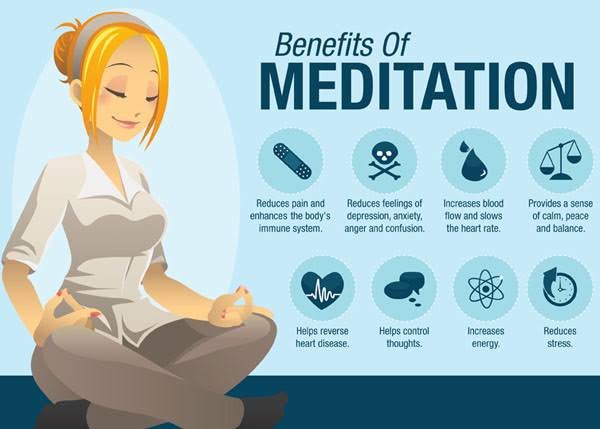
Modern life can feel overwhelming. Work pressure, personal responsibilities, constant notifications and an always-connected lifestyle can make it difficult to slow down and relax.
This is where meditation for stress management can become a valuable part of a healthy daily routine.
Meditation is a practice that encourages awareness, controlled breathing and focused attention. With consistent practice, it can help create moments of calm, improve mental clarity and support emotional balance.
In this article, we explore how meditation can fit into a busy lifestyle and why creating dedicated time for relaxation can be beneficial for overall mental wellness.
What Is Stress?
Stress is the body’s natural response to challenging or demanding situations.
A certain amount of stress can help us respond to immediate challenges. However, constantly feeling under pressure can make it difficult to relax, concentrate or maintain a balanced routine.
Common experiences associated with a stressful lifestyle may include:
- Difficulty relaxing
- Racing thoughts
- Poor concentration
- Feeling mentally overwhelmed
- Irritability
- Difficulty maintaining a healthy routine
- Feeling tired after a busy day
Meditation does not eliminate everyday responsibilities, but it can provide a structured period to pause, breathe and reconnect with the present moment.
How Does Meditation Support Stress Management?
Meditation encourages you to shift attention away from constant external stimulation and focus on the present.
During a meditation session, you may concentrate on:
- Breathing
- Body sensations
- A guided voice
- Sounds
- A specific point of attention
- Mindful awareness
This focused attention can create an environment where the mind has an opportunity to slow down.
Regular practice may support relaxation, mindfulness and mental clarity.
Meditation and Mental Wellness
Mental wellness is more than simply avoiding stress. It also involves developing healthy habits that support emotional awareness, focus and resilience.
A consistent meditation routine can become one part of a broader wellness lifestyle.
For example, you can combine meditation with:
- Regular physical activity
- Adequate sleep
- Healthy nutrition
- Time away from screens
- Breathing exercises
- Time in nature
- Meaningful social connections
The goal is not perfection. The goal is consistency.
How Long Should You Meditate?
There is no universal meditation duration that works for everyone.
Beginners can start with a short session and gradually increase the duration as they become comfortable.
Even setting aside a few minutes during the day can create a dedicated opportunity to pause.
The most important factor is finding a routine that you can maintain consistently.
Guided Meditation vs Silent Meditation
There are different ways to meditate.
Silent Meditation
Silent meditation allows you to focus on your breathing, thoughts or sensations without external guidance.
Guided Meditation
A guided meditation uses spoken instructions to help you maintain focus throughout the session.
Guided meditation can be particularly useful for beginners because you don’t have to decide what to focus on during the session.
Why a Dedicated Meditation Environment Can Help
Meditating at home can be convenient, but distractions such as mobile phones, conversations, household noise and daily responsibilities can make it difficult to maintain focus.
A dedicated meditation environment can provide fewer distractions and a more structured experience.
Shunyagar’s Meditation Pod is designed around a private, distraction-reduced meditation experience with guided meditation, relaxation and a peaceful environment.
Meditation for Busy Professionals
People with demanding schedules often find it difficult to create time for themselves.
A structured meditation session can provide an intentional break from work-related activities.
Instead of waiting until you feel completely exhausted, consider making relaxation part of your regular schedule.
A consistent wellness routine may help you approach your day with greater awareness and balance.
Simple Tips to Start a Meditation Routine
If you’re new to meditation, start simple.
1. Choose a Regular Time
Morning, evening or another quiet period can work depending on your schedule.
2. Reduce Distractions
Keep your phone away or put it on silent during your session.
3. Start Small
Begin with a comfortable duration rather than forcing yourself to meditate for a long time.
4. Focus on Your Breathing
Use your natural breathing as an anchor whenever your mind becomes distracted.
5. Be Consistent
Regular practice is generally more useful than occasionally doing very long sessions.
Can Meditation Replace Professional Mental Health Care?
Meditation can be a wellness practice, but it should not be considered a replacement for professional medical or mental health care.
If you are experiencing persistent or severe emotional distress, speak with a qualified healthcare professional.
Meditation can be used as a complementary wellness practice alongside appropriate professional support.
Experience a More Peaceful Approach to Wellness
Creating space for meditation can be a simple way to introduce more intentional relaxation into a busy lifestyle.
At Shunyagar, meditation and wellness programs combine guided practices with a dedicated environment designed to encourage relaxation, focus and mindfulness. The center also offers individual wellness programs and other meditation experiences.