Modern life keeps the mind constantly active. Work pressure, excessive screen time, social media, deadlines and an irregular routine can make it difficult to truly relax—even when you have enough time to rest.
This is where NSDR (Non-Sleep Deep Rest) has gained attention as a simple approach to deep relaxation while remaining awake.
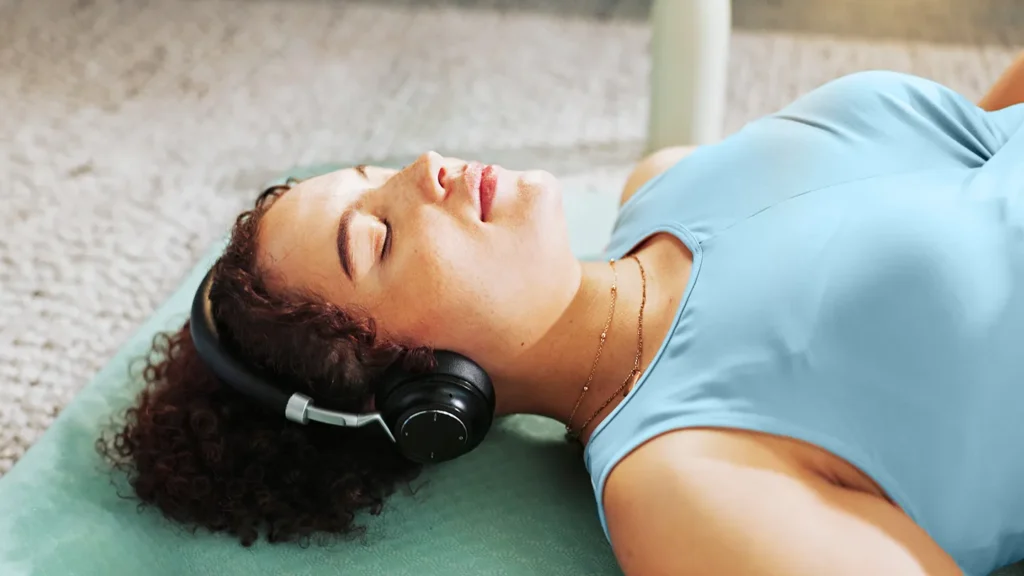
NSDR combines guided relaxation, focused breathing, body awareness and meditation-style techniques to help the mind and body enter a deeply restful state. It is different from ordinary sleep because you remain conscious throughout the practice.
What Is NSDR?
NSDR stands for Non-Sleep Deep Rest. It describes practices designed to help the body and mind reach a deeply relaxed state without actually falling asleep.
An NSDR session may involve:
- Slow and controlled breathing
- Body scanning
- Guided relaxation
- Mindful awareness
- Visualization
- Yoga Nidra-inspired practices
The goal is not to force the mind to stop thinking. Instead, NSDR encourages the body and mind to move away from constant stimulation and toward a calmer state.
How Can NSDR Help With Stress?
When your mind is constantly dealing with work, notifications, deadlines and other demands, relaxation can become difficult.
Mindfulness and meditation practices have been studied for their potential role in managing stress and anxiety. Evidence reviewed by the National Center for Complementary and Integrative Health suggests that mindfulness meditation may help reduce symptoms of stress and anxiety and may also support sleep.
NSDR can be used as a relaxation practice that gives you dedicated time away from everyday stimulation.
Regular relaxation practices may help you:
- Feel calmer after a stressful day
- Take a break from constant mental stimulation
- Improve awareness of your breathing and body
- Create a relaxing bedtime routine
- Support better focus after periods of rest
NSDR for Better Sleep
One of the reasons people explore NSDR is difficulty switching off at night.
If your body is tired but your mind continues thinking about work, conversations, plans or responsibilities, a guided relaxation session may help create a calmer transition toward bedtime.
Mindfulness-based practices have also been studied for their potential effects on sleep quality. The Mayo Clinic notes that mindfulness can support relaxation and may help with sleep quality and insomnia.
NSDR should not be considered a replacement for medical treatment for persistent sleep problems. However, it can be included as part of a healthy relaxation and bedtime routine.
NSDR vs Meditation: What’s the Difference?
NSDR and meditation overlap, but they are not exactly the same.
Meditation generally involves developing awareness, concentration or mindfulness through a particular practice.
NSDR focuses more specifically on achieving a state of deep relaxation while remaining awake.
For someone who finds traditional meditation difficult, a guided NSDR session may feel more accessible because the instructions provide a clear structure to follow.
How to Practice NSDR at Home
You don’t necessarily need special equipment to try a basic relaxation session.
Step 1: Find a Comfortable Position
Sit or lie down somewhere quiet where you are unlikely to be disturbed.
Step 2: Reduce Distractions
Put your phone on silent and reduce unnecessary noise and bright lights.
Step 3: Focus on Your Breathing
Take slow, comfortable breaths and bring your attention to the sensation of breathing.
Step 4: Relax Your Body
Gradually bring your attention to different parts of your body and consciously allow areas of tension to relax.
Step 5: Follow a Guided Session
A guided relaxation or meditation can make it easier to maintain attention and avoid getting distracted.
Step 6: Return Slowly
When the session ends, take a few moments before returning to your normal activities.
How Long Should You Practice NSDR?
There is no single duration that works for everyone.
Beginners can start with a short session and gradually increase the duration as they become comfortable with the practice.
The important thing is consistency rather than trying to achieve a particular state immediately.
Even a short period dedicated to mindful relaxation can provide a useful break from continuous mental stimulation.
Who Can Try NSDR?
NSDR-style relaxation practices can be useful for people who:
- Feel mentally overwhelmed
- Have difficulty relaxing after work
- Spend long hours using digital devices
- Want to develop a relaxation routine
- Find traditional meditation difficult
- Want to create a calmer bedtime routine
If you have persistent insomnia, severe anxiety, depression or another health concern, speak with an appropriately qualified healthcare professional rather than relying on NSDR alone.
Can NSDR Improve Focus?
Deep relaxation and periods away from constant stimulation can help you return to tasks feeling more refreshed.
Instead of working continuously for hours, incorporating intentional relaxation breaks can create a healthier balance between focused work and recovery.
This can be particularly useful for students, working professionals, entrepreneurs and people who spend much of their day in front of screens.
NSDR and Digital Detox
NSDR can also complement a digital detox routine.
Constant notifications, social media and screen exposure can keep the mind engaged throughout the day. A short period without digital stimulation, combined with guided relaxation, can create intentional space for mental recovery.
A simple routine could look like:
Work → Digital Break → NSDR/Relaxation → Refresh → Return to Work
The goal isn’t necessarily to eliminate technology. It is to create periods when your mind isn’t required to respond to it.
Can You Practice NSDR at a Wellness Center?
Yes. Some wellness centers combine guided relaxation and meditation practices with specially designed environments that minimize external distractions.
At Shunyagar Experience Center in Nagpur, meditation and wellness experiences incorporate technologies and environmental elements designed to support deep relaxation, including guided meditation, neuro-acoustic frequencies, sensory management and comfortable seating.
The experience is designed to provide a dedicated environment where you can step away from everyday distractions and focus on relaxation.
Frequently Asked Questions
Is NSDR the same as sleeping?
No. NSDR means Non-Sleep Deep Rest. The objective is deep relaxation while remaining conscious rather than entering normal sleep.
Is NSDR good for stress?
NSDR-style relaxation may help create a calmer state and can be incorporated into a broader stress-management routine. Meditation and mindfulness practices have evidence supporting their potential role in reducing stress and anxiety.
Can NSDR help with sleep?
NSDR may help you relax before bedtime, which can be useful as part of a healthy sleep routine. However, persistent sleep problems should be discussed with a healthcare professional.
How often should I practice NSDR?
You can start with short sessions and practice regularly. Consistency is generally more useful than trying to make every session long.
Is NSDR suitable for beginners?
Yes. Beginners can start with guided sessions because the instructions provide a structured way to relax and maintain attention.
Final Thoughts
NSDR offers a simple way to create intentional periods of deep relaxation in an increasingly demanding and digitally connected lifestyle.
Whether your goal is to manage everyday stress, take a break from screens, improve your relaxation routine or prepare your mind for sleep, NSDR can be one tool to explore.
The key is to make relaxation a regular part of your lifestyle rather than waiting until stress becomes overwhelming.
If you’re looking for a dedicated meditation and wellness center in Nagpur, Shunyagar provides guided meditation and technology-assisted wellness experiences designed to help you disconnect from everyday distractions and create time for deeper relaxation.
Ready to experience deep relaxation? Explore Shunyagar’s meditation and wellness programs in Nagpur.